
Broken Curses
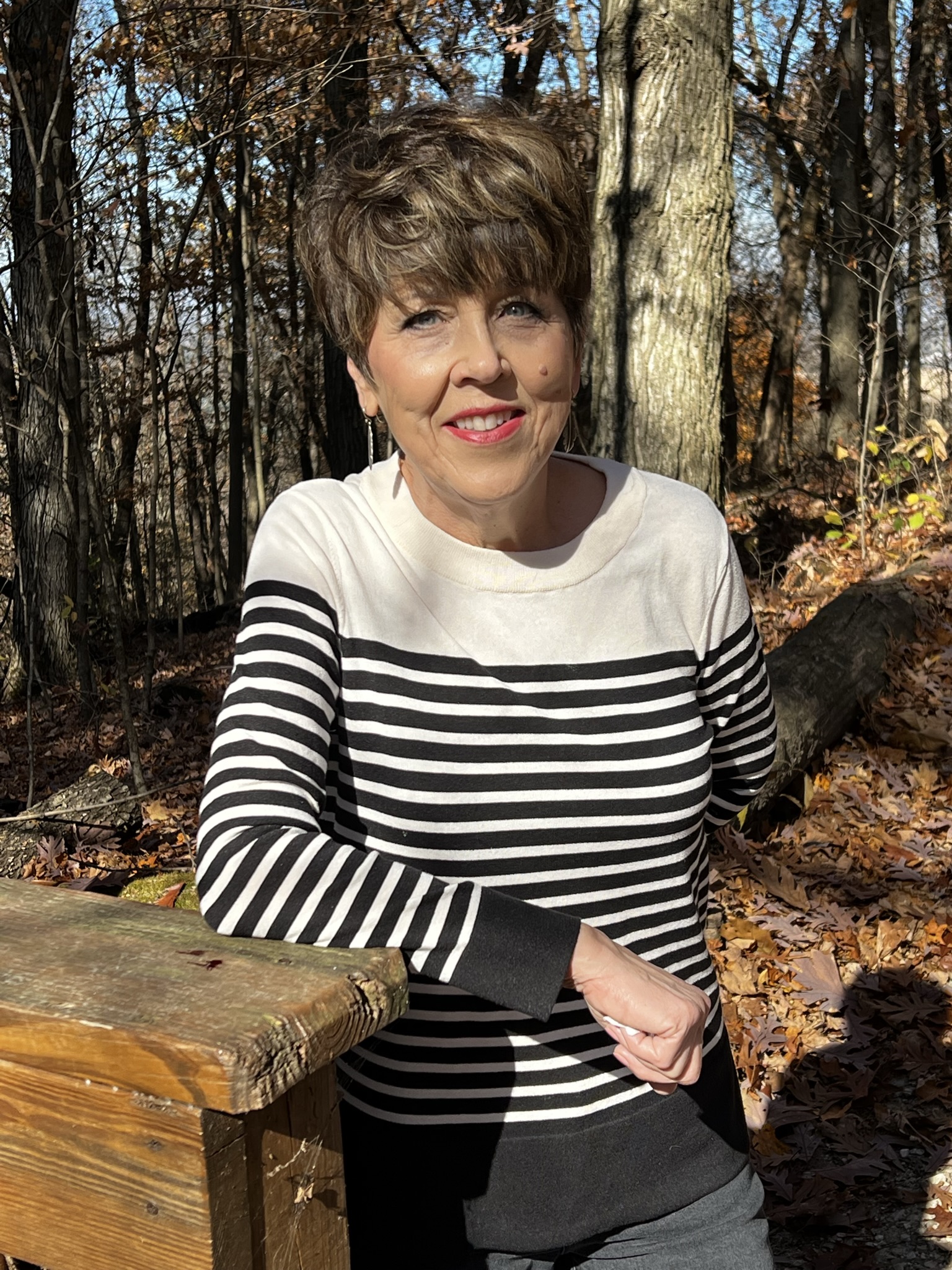
“Pain ripples through families for years. But Deuteronomy reminds us that inherited pain does not have to become inherited destiny.”

Breaking generational curses. The phrase itself sounds dramatic—like there should be a thunderclap from heaven, chains falling to the floor, and one emotional moment that instantly changes everything. But freedom usually doesn’t happen in one sweeping moment.
It happens one faithful decision at a time.
In Book of Deuteronomy 30:19–20, Moses gives one of the most powerful invitations in Scripture:
“Today I have given you the choice between life and death, between blessings and curses… Oh, that you would choose life, so that you and your descendants might live!”
These verses reveal something deeply hopeful: cycles can be broken—not by human strength alone, but through surrender and obedience to God.
Many people are born into patterns they never chose. Some families carry generations of anger, addiction, fear, abandonment, poverty, abuse, toxic relationships, debt, or spiritual distance from God. Over time, those struggles begin to feel normal. People start believing, “This is just who we are.”
I had a wonderful mom in many ways, and I’m deeply grateful for her. But she also carried wounds that never healed, and those wounds often surfaced through guilt. Visits and phone calls sometimes felt heavy instead of inviting, and I remember deciding I wanted something different with my own boys.
But wanting to break a cycle isn’t enough.
I had to unlearn what I was raised with and intentionally build new habits. That process looked like counseling, prayer, repentance, books, podcasts, and learning from older mothers who had the kind of relationships I hoped to build. I realized it wasn’t enough to simply avoid guilt—I had to replace it with something healthier.
One of the most important things God showed me was that expectation often sat beneath guilt. I would quietly build expectations in my heart, and when they weren’t met—without ever being spoken—I felt disappointed. Once I surrendered those unspoken expectations, guilt began losing its grip. Like any weed, the root had to be pulled out for lasting freedom to come.
That process taught me something important:
A thought becomes a consideration.A consideration becomes an action.An action becomes a repeated action.And repeated action becomes a pattern.
Many people try to change behavior without allowing God to transform the heart. But outward change alone cannot sustain lasting freedom. Transformation happens when we continually surrender ourselves to God and allow His truth to renew our minds.
Pain ripples through families for years. But Deuteronomy reminds us that inherited pain does not have to become inherited destiny.
God places a choice before His people: life or death, blessing or curse. Then He lovingly urges them, “Choose life.”
That choice is rarely instant or flashy. It is layered, intentional, and deeply practical. Every godly decision plants new seeds for future generations.
I think about my own family. My dad became the first in his family to raise his children in the Lord from birth. He chose obedience to God, even when it looked different from what came before him. Because of that, the trajectory of our entire family changed. My grandson is a pastor today, and I have no doubt it traces back to choices my dad made.
That is the beauty of obedience: it never stops with us.
“Choose life, so that you and your descendants might live.” Your surrender today can impact children, grandchildren, and generations you may never meet. The prayers you pray, the healing you pursue, the boundaries you establish, and the faithfulness you walk out all become seeds planted into the future.
Maybe you did not inherit peace, stability, or spiritual guidance. Maybe you inherited wounds instead. But through Christ, you can become the turning point in your family line.
Faith Follow-Through:
This week, take some time to grow in motherhood and faith:
Tuesday:
Choosing Life Daily
Choosing life may mean seeking healing instead of hiding wounds. God never asks us to carry our brokenness alone. He invites us to bring every hurt, fear, and struggle into His presence so He can restore what has been damaged. This involves community and MMF is a safe community to pursue healing within. James told us how this is done.
"Therefore confess your sins to each other and pray for each other so that you may be healed."
This connects spiritual and emotional restoration directly to honest, communal vulnerability.
Reflection:
Who in your life is God encouraging you to connect with so you can build that layer of strength to overcome?
Wednesday:
Every choice toward faith, wisdom, gentleness, and obedience becomes a step toward the life God desires for us. Small daily decisions shape the direction of our hearts and the future of our families. Galatians 6:2 emphasizes how communities heal by sharing emotional or physical loads:
"Carry each other’s burdens, and in this way you will fulfill the law of Christ."
Reflection:
Carry one burden for someone else this week — send a meal, offer childcare, pray with a friend, check in on someone struggling, or simply listen without trying to fix everything.
Thursday:
True freedom is not only about leaving unhealthy things behind; it is about building a new life with God at the center. God never calls us out of bondage without also calling us into transformation. As we remain close to Him, He begins changing the way we think, speak, respond, parent, love, and live.
Romans 12:2 reminds us: “Don’t copy the behavior and customs of this world, but let God transform you into a new person by changing the way you think.”
The more we love God and commit ourselves to Him, the more our lives begin to reflect His character. Transformation is a process, and every act of obedience allows God to shape us into the people He created us to be.
Reflection:
Ask yourself: “Will this choice move my heart closer to God or farther away?” Then make one small decision rooted in faith and obedience(life).
Friday:
Throughout Scripture, God continually interrupts destructive cycles and creates new beginnings. The Bible is filled with stories of people whose lives changed direction because they responded to God in faith.
Abraham’s family moved from idolatry into covenant relationship with God. Ruth changed the course of her family through faithfulness and obedience. Josiah chose repentance and restored worship after generations of rebellion in Judah. In the New Testament, Jesus Christ came to redeem humanity from the power of sin and death.
The message of Deuteronomy 30 is deeply hopeful: you are not trapped by what came before you.
Sometimes people believe the patterns in their family will always continue. But God’s Word declares that He is able to create something entirely new. Through Christ, we are not defined by our past, our failures, or even the struggles passed down through generations.
Reflection:
II Corinthians 5:17 says: “Anyone who belongs to Christ has become a new person. The old life is gone; a new life has begun!”
Believe Him!
Written by Phyllis, mom of 3
